" height="22.629999961853027px" id="TaGnKN9fg" transform="translate(1 3.5)" width="175.1200018310547px"/></svg>)
How Does a $2 Fish Become a $20 Object of Desire?

A Category Built on Sameness
I didn't set out to write about canned fish. I stumbled into the category almost by accident, and the more I looked, the stranger it became. The product itself hadn't changed much. A small tin of fish was still a small tin of fish. Yet somehow, one brand could sell it as a pantry staple while another turned it into something people proudly displayed, gifted, and talked about.
Canned fish is not a category with much room to differentiate. Sardines are sardines. A tin of fish in olive oil from one brand and a tin of fish in olive oil from another are, in most cases, nutritionally and functionally identical. There is no patent on preservation. No proprietary process most people could pick out in a blind tasting.
Which means the fish was never going to be the differentiator. Something else had to be.
The Illustration Is the Product
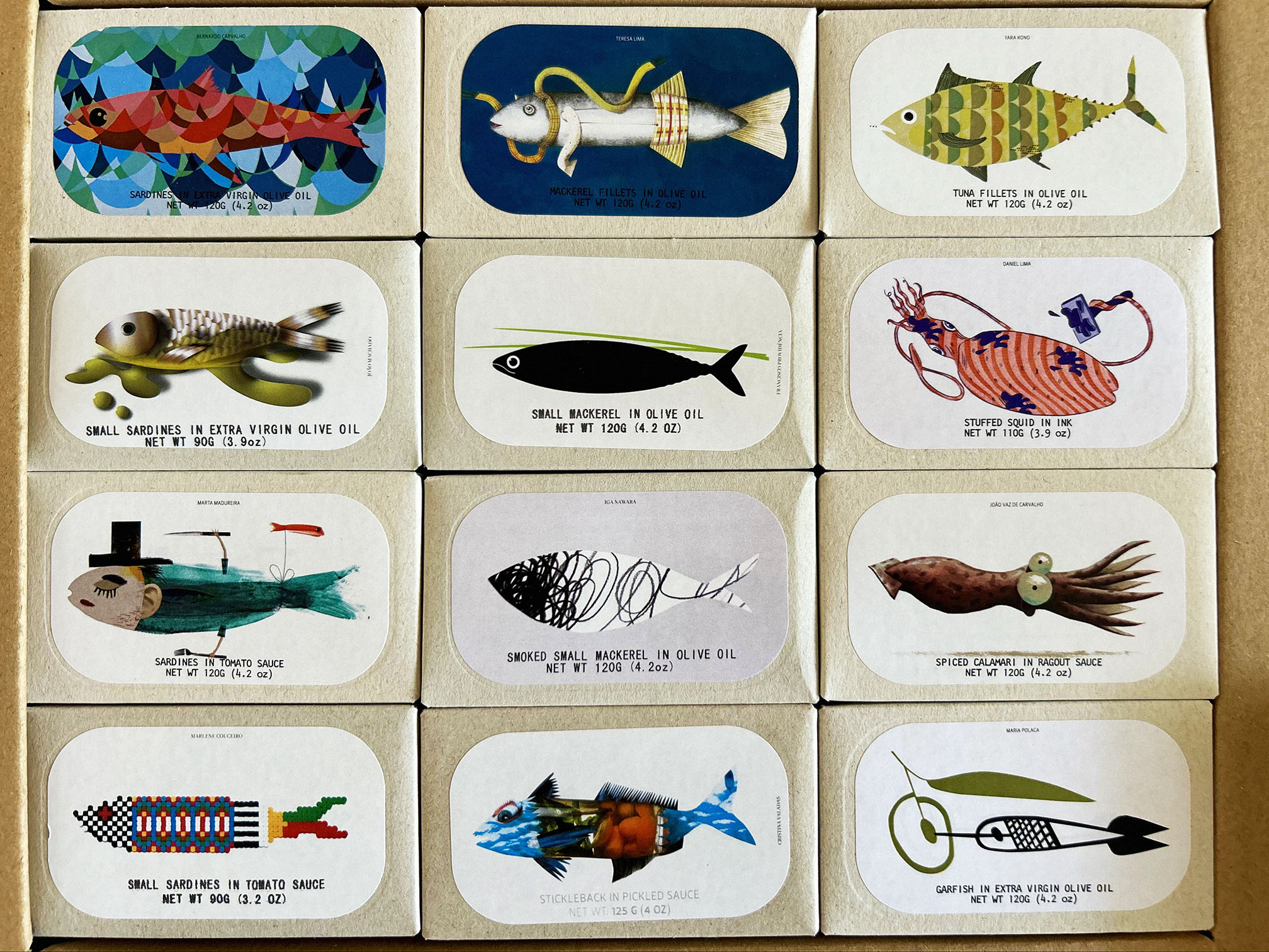
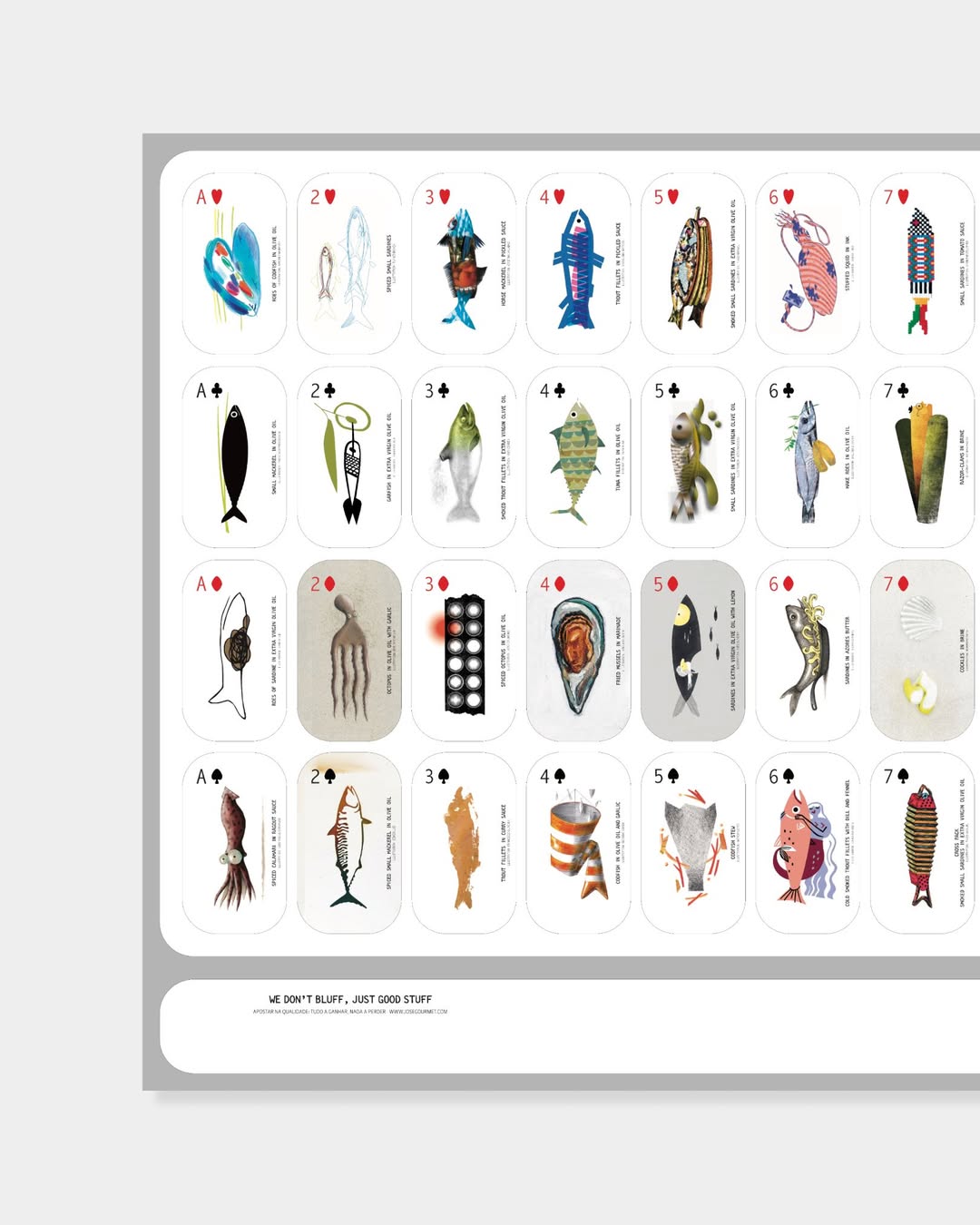
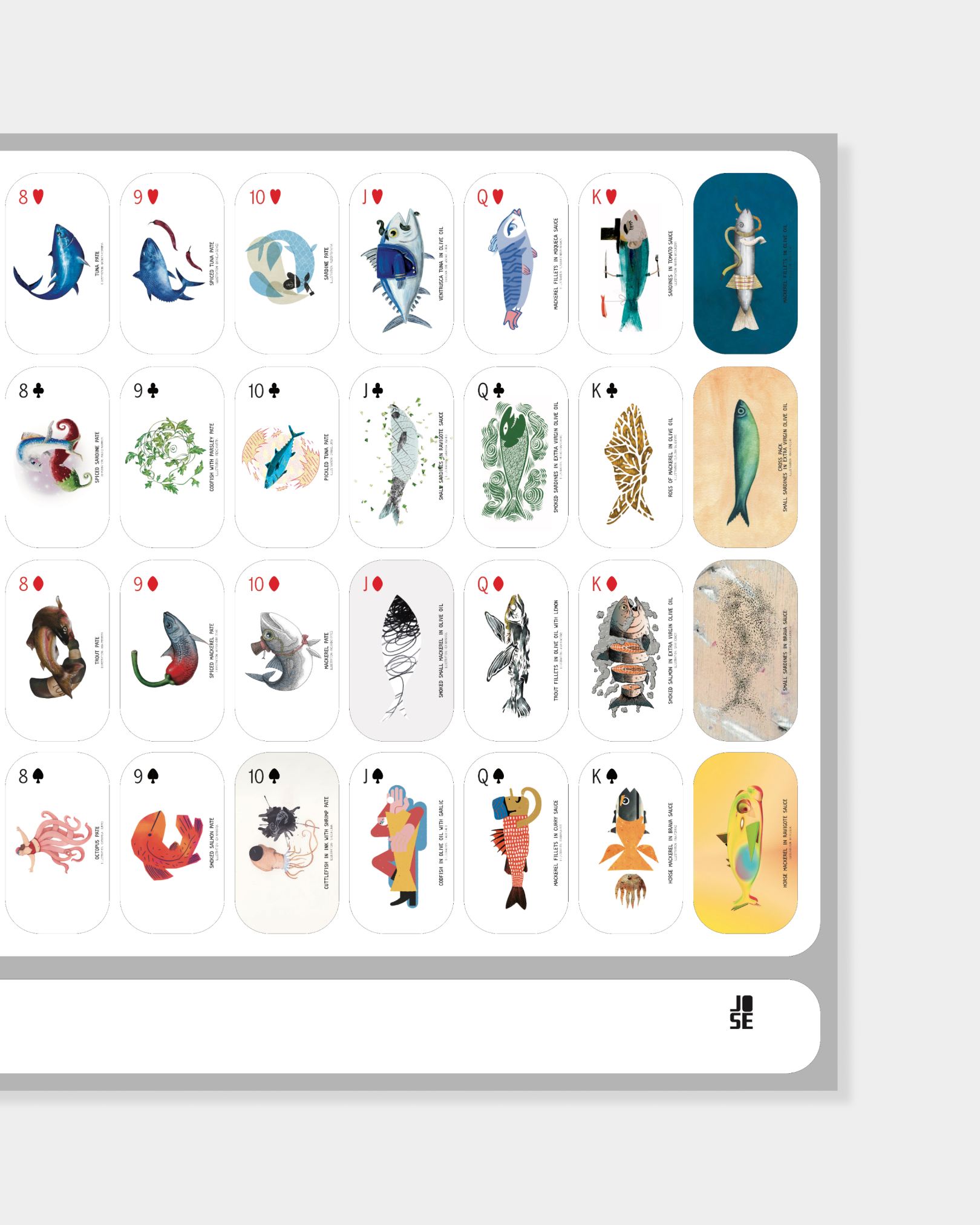
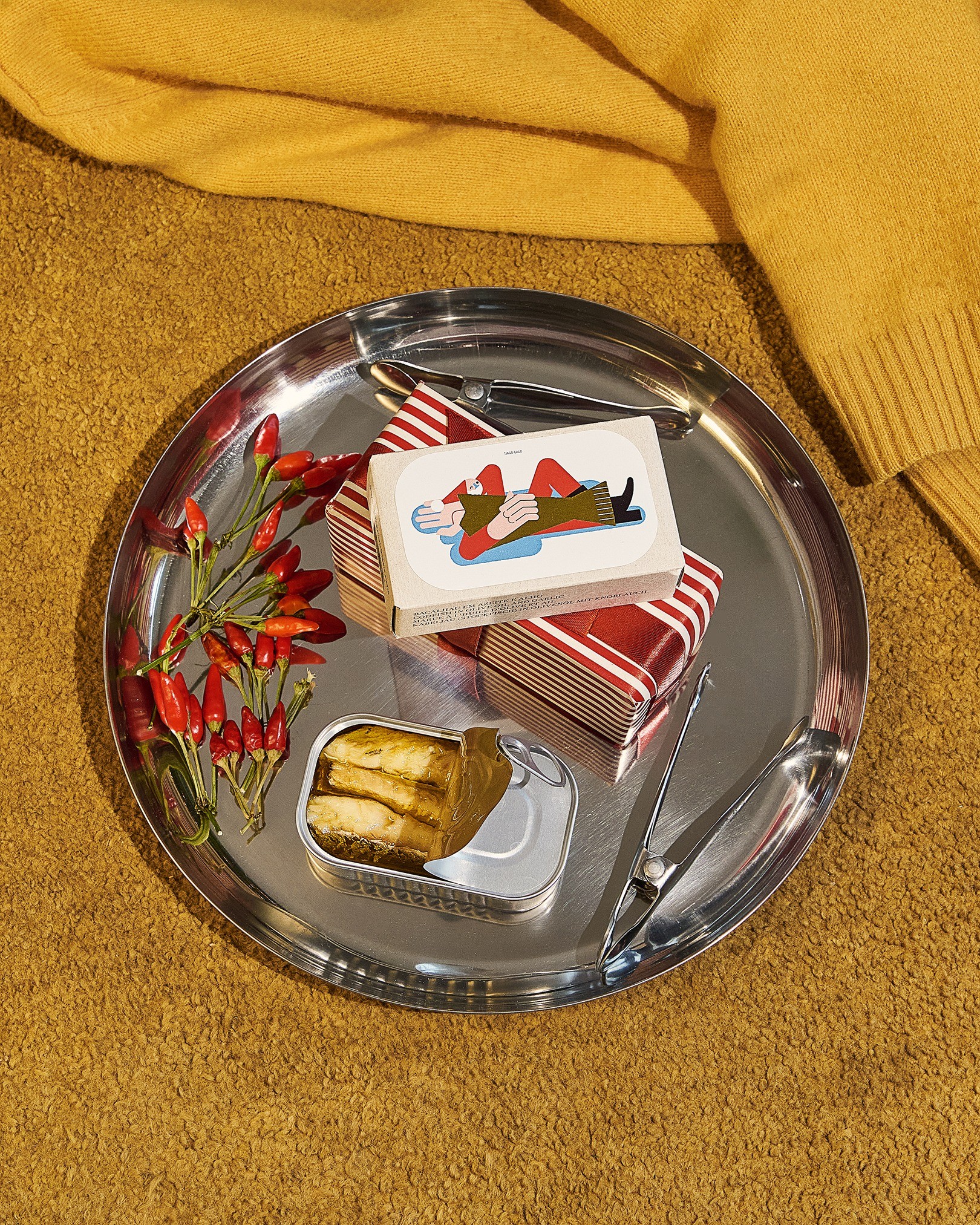
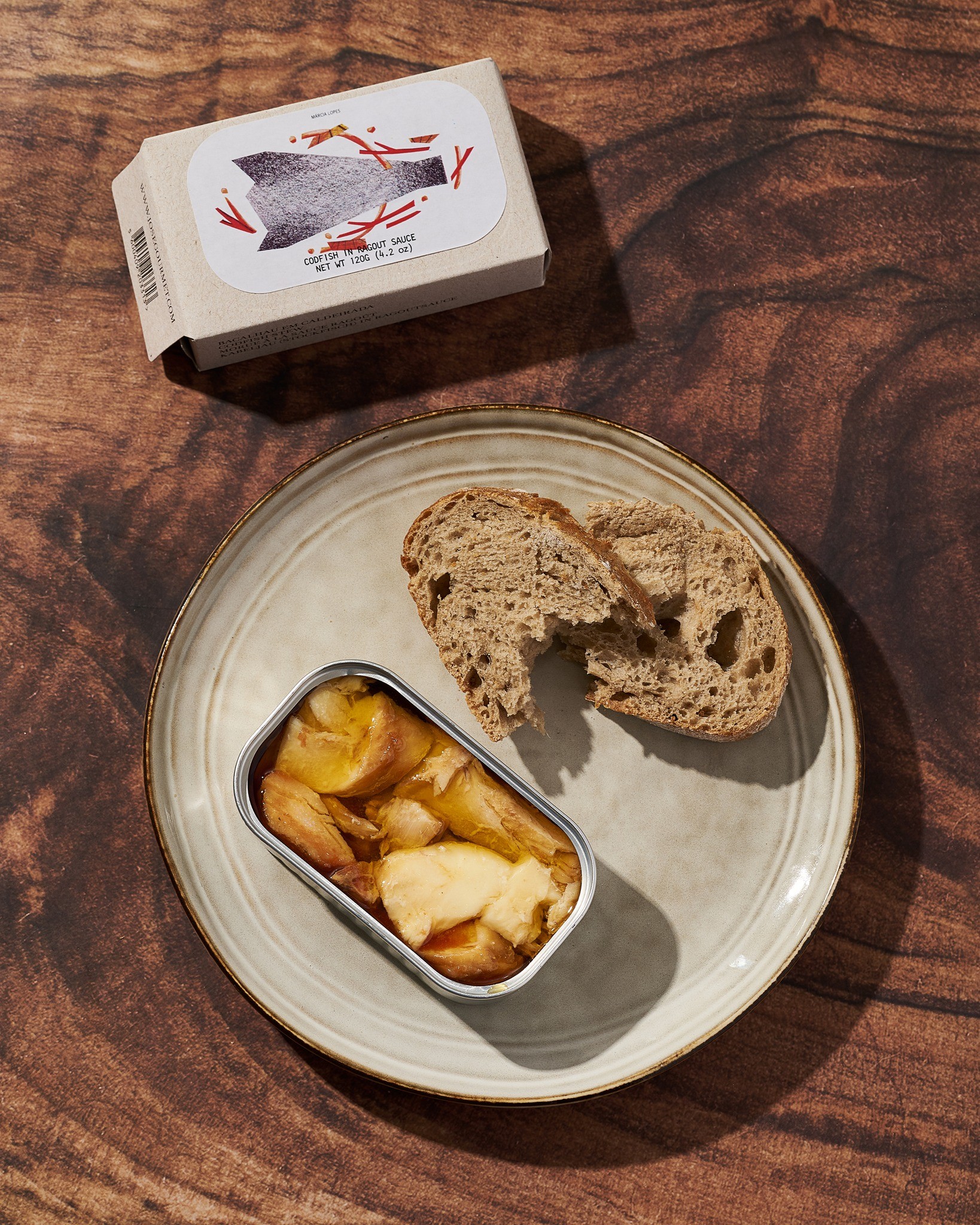
Jose Gourmet, founded in Lisbon in 2008, made that something else the packaging itself. Every tin carries original artwork, commissioned from a rotating cast of illustrators and designers, close to ninety of them by now. Grey card, recycled paper, hand-drawn work that reads more like a limited print than a label.
The founders weren't selling a can you'd open once and throw away. They were selling a can worth keeping. People display them. Collect them. Trade duplicates. A product built for the trash becomes a product built for the shelf, and the fish inside almost becomes secondary to the object it arrives in.
The Math That Shouldn't Work
Here is where the psychology gets interesting. A standard tin of sardines costs somewhere around one to two dollars. A Jose Gourmet tin runs seven to twenty, for what is, by most measures, a comparable fish.
That gap is not a pricing strategy. It's a belief system, and the customer has to buy into it before they buy the product. Once the packaging convinces you this is a designed object rather than a commodity, the price stops being compared to other sardines and starts being compared to other collectibles, other small luxuries, other things worth having on a shelf.
What You're Actually Paying For
Nobody is paying an extra fifteen dollars for fish. They're paying for the story the tin tells before it's ever opened, for the right to display something instead of just consuming it, for a brand that understood the packaging could do the selling the product never could on its own.
The fish is the same. The permission to charge for it isn't.